2026 Best Automatic Oxygen Machine Which Type to Buy?
Choosing an Automatic Oxygen Machine in 2026 requires more than comparing prices or screen size. It requires clinical judgment.
The World Health Organization identifies medical oxygen as an essential treatment, especially for pneumonia, surgery, trauma, and respiratory emergencies. WHO also warns that oxygen access depends on reliable equipment, trained users, electricity, and maintenance. That warning matters at home. A quiet machine beside a patient’s bed can still deliver unsafe therapy if its flow setting is wrong.
Market research shows strong demand. Grand View Research estimates that the global oxygen concentrator market will continue expanding through the decade, driven by chronic respiratory disease, aging populations, and home-based care. However, market growth does not guarantee product quality. Some reports combine stationary concentrators, portable units, and hospital systems, making direct comparisons imperfect.
WHO Director-General Dr. Tedros Adhanom Ghebreyesus has said, “Oxygen is an essential medicine, not a luxury.” That principle should guide every purchase. An Automatic Oxygen Machine should be evaluated through oxygen concentration, flow accuracy, alarm performance, power consumption, noise, warranty support, and service availability.
Not every “automatic” device adjusts oxygen safely. Some only automate timing or startup functions. Others respond to breathing patterns, but may require prescribed settings and clinical supervision. A pulse oximeter reading can also mislead when hands are cold or circulation is poor.
This guide compares the main machine types, including stationary and portable oxygen concentrators. It also examines real-world use, from nighttime noise to battery failure. The best choice is rarely the most advertised model. It is the machine that matches the patient’s prescription, environment, and support network. That conclusion deserves careful review.
What Is an Automatic Oxygen Machine and How Does It Work?
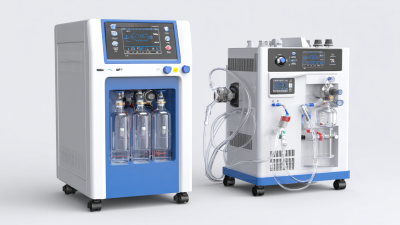
An automatic oxygen machine usually means an oxygen concentrator with automatic flow control. It does not store oxygen in a tank. Instead, it draws in ordinary room air through an intake filter. The machine removes much of the nitrogen through molecular sieve beds. Oxygen-rich air then travels through tubing to a nasal cannula or mask. Quietly, the sieve beds switch roles every few seconds.
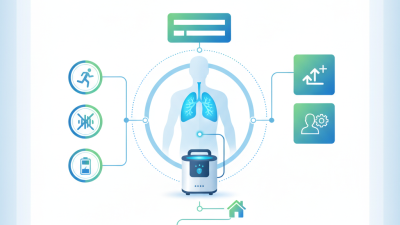
Some models adjust oxygen delivery according to breathing patterns or measured oxygen saturation. This can reduce unnecessary flow during rest and increase support during movement. However, “automatic” does not mean medically independent. Sensors may respond slowly, especially with cold fingers, poor circulation, motion, or weak batteries. The displayed reading can also look reassuring while the user feels unwell.
In practical home care, placement matters. Keep the intake vents clear, and replace filters as directed. Check the tubing for bends, moisture, or loose connections. A clinician should set the prescribed flow and review whether the machine suits continuous, nighttime, or portable use. Never change oxygen settings casually. I would also question any device promising perfect control, because bodies and sensors are both variable. An alarm, unusual breathlessness, chest discomfort, confusion, or bluish lips requires prompt medical attention. Oxygen supports breathing, but it does not treat every cause of low oxygen.
2026 Best Automatic Oxygen Machine: Which Type to Buy?
Automatic oxygen machines are usually oxygen concentrators. They draw in room air, remove most of the nitrogen through molecular sieve beds, and deliver concentrated oxygen. The chart compares typical maximum continuous-flow capacities by machine type.
How to choose: Portable concentrators are designed for mobility and often provide lower continuous flow. Home stationary models generally support higher continuous-flow requirements. High-flow stationary units are intended for users prescribed greater oxygen output. Pulse-dose settings are not shown because they are delivered in inhalation-triggered pulses rather than measured as continuous liters per minute. Actual oxygen concentration, flow capacity, noise, battery life, and prescription compatibility vary by model, so selection should follow a clinician’s oxygen prescription.
Which Types of Automatic Oxygen Machines Are Available?
2026 Best Automatic Oxygen Machine: Which Type to Buy?
“Automatic oxygen machine” is not a standardized medical term. It usually describes an oxygen concentrator that adjusts delivery through sensors or preset settings. The main types are stationary concentrators, portable concentrators, and dual-mode units.
Stationary models provide steady oxygen at home. They are suitable for longer daily use and usually offer stronger continuous flow. However, they can be heavy and noisy beside a bed.
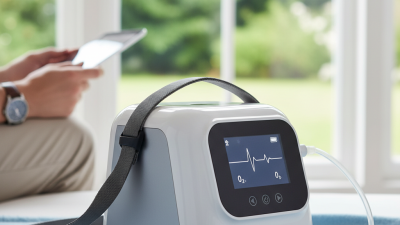
Portable oxygen concentrators are smaller and often use pulse-dose delivery. They release oxygen when the user inhales. This design can reduce battery use and improve mobility. Yet pulse delivery may not meet every patient’s needs during sleep or exercise. Some portable units also offer continuous flow. Check the prescribed flow rate carefully. Do not assume a higher number always means better treatment.
Dual-mode machines combine pulse-dose and continuous-flow settings. They may suit users who move between home, travel, and rest. Automatic adjustment can respond to breathing patterns, but it is not perfect. Fast breathing, shallow breaths, or a poor nasal position may affect detection.
I initially viewed portability as the key advantage, but battery duration and alarm clarity often matter more.
A clinician should confirm the required oxygen setting, especially for nighttime use. Look for clear alarms, easy filters, stable tubing connections, and a readable display. The best type depends on medical need, not convenience alone.
Which Safety, Noise, Power, and Maintenance Features Matter?
Choosing the best automatic oxygen machine in 2026 means checking more than oxygen output. Safety features deserve close attention. Look for oxygen concentration alarms, overheating protection, blocked-outlet warnings, and automatic shutdown during serious faults. The machine should display clear alerts, even in dim bedrooms. Keep it away from cigarettes, candles, gas stoves, and oily products. Oxygen supports combustion.
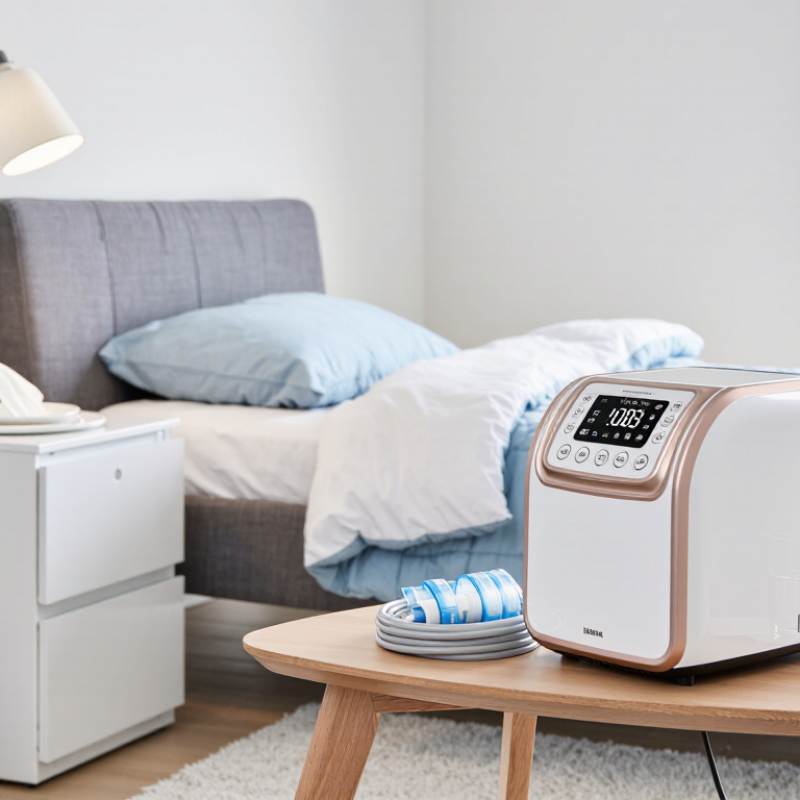
Noise affects sleep, conversation, and long-term comfort. Ask for the operating sound level, not only the manufacturer’s marketing description. A soft fan may seem harmless during the day, yet become irritating at night. Place the unit on a firm, ventilated surface. Do not hide it inside a cabinet. A small room can make moderate noise feel much louder.
Power planning is equally important. Check voltage requirements, startup demand, and battery options before purchase. A backup battery or generator may protect therapy during short outages, but it needs regular testing. Maintenance should include filter cleaning, tubing inspection, alarm checks, and scheduled professional servicing. Follow the prescribed flow rate; changing it without clinical guidance can be unsafe. In practice, people often forget maintenance until an alarm appears. That habit needs correction. A machine may be technically excellent, but useless if its alerts are confusing or its filter is neglected. Ask a qualified healthcare professional to confirm the device suits the prescribed therapy, living space, and daily routine.
How to Choose the Best Automatic Oxygen Machine in 2026
How to Choose the Best Automatic Oxygen Machine in 2026
Choosing an automatic oxygen machine starts with medical need, not appearance. The World Health Organization reports that COPD caused 3.23 million deaths in 2019 (WHO, 2024). That figure shows the demand for dependable respiratory support. However, oxygen therapy is not suitable for every breathing problem. The GOLD 2025 report recommends oxygen mainly for patients with documented severe resting hypoxemia. Ask a clinician to confirm the prescribed flow range, delivery mode, and daily usage time. Automatic adjustment should never replace professional assessment.
Check whether the device provides continuous flow, pulse dose, or both. Pulse-dose sensors may respond poorly during sleep or shallow breathing. Ask for measured oxygen concentration at different flow settings, not only the maximum number. Confirm alarm functions, filter access, battery duration, noise level, and performance during voltage changes. The ISO 80601-2-69 standard offers a useful safety reference for oxygen concentrators. Small details matter. A heavy unit can become impractical beside a bed or on stairs.
Safety deserves more attention than marketing language. The U.S. FDA warns that oxygen supports rapid combustion, so smoking, flames, and oil-based products must remain away. Choose a model with clear maintenance instructions and traceable testing records. I would not trust a glossy online score alone. It may ignore humidity, room temperature, or nighttime breathing. A practical trial at home, supervised by a healthcare professional, can reveal problems that laboratory figures miss.
2026 Best Automatic Oxygen Machine Which Type to Buy? - How to Choose the Best Automatic Oxygen Machine in 2026
| Machine Type |
Typical Oxygen Delivery |
Typical Oxygen Concentration |
Typical Flow or Setting |
Typical Weight Range |
Best Suited For |
Important Limitations |
| Stationary continuous-flow concentrator |
Continuous oxygen through a nasal cannula or mask |
Usually about 90%–96% at the rated flow range |
Commonly 1–5 L/min; some models provide higher flows |
Approximately 10–30 kg |
Long-duration home use, including users prescribed continuous-flow oxygen |
Requires mains electricity; not designed for convenient travel; fan noise and heat may be noticeable |
| Portable pulse-dose concentrator |
Short oxygen bolus triggered by inhalation |
Usually about 90%–95% under specified operating conditions |
Several pulse settings rather than a continuous L/min flow |
Approximately 1.5–5 kg, excluding accessories |
Daytime mobility, errands, air travel when the specific unit is approved and accepted |
May not detect shallow or open-mouth breathing; pulse settings are not equivalent to continuous-flow L/min |
| Portable continuous-flow concentrator |
Continuous oxygen, with some units also offering pulse-dose mode |
Usually about 90%–96% at the rated flow range |
Often around 0.5–3 L/min continuous; verify the exact specification |
Approximately 2–8 kg |
Users who need continuous flow while remaining more mobile |
Shorter battery runtime at higher flow; may be heavier and louder than pulse-only units |
| Home-fill oxygen system |
Stationary concentrator fills compatible oxygen cylinders for later use |
The concentrator commonly produces about 90%–96%; cylinder output depends on the system |
Stationary continuous flow plus cylinder filling according to the system design |
Stationary unit commonly about 10–30 kg; cylinders vary |
Homes needing backup or short-term portable oxygen without frequent cylinder deliveries |
Requires compatible equipment, filling time, storage space, and strict fire-safety practices |
Key Specifications to Compare Before Buying
| Buying Dimension |
What to Check |
Practical Selection Guidance |
| Prescribed oxygen mode |
Continuous flow, pulse dose, or both |
Choose only a mode that matches the oxygen prescription and clinical assessment. |
| Maximum flow capacity |
Rated L/min at the required oxygen concentration |
Do not select a unit solely by its maximum number; concentration can change at different flow rates. |
| Oxygen concentration |
Manufacturer’s stated concentration range and test conditions |
Look for clear performance data across the intended flow range and an oxygen-low alarm. |
| Battery performance |
Battery type, charging time, and runtime at the intended setting |
Higher flow, colder temperatures, and older batteries generally reduce operating time. |
| Noise level |
Decibel rating and measurement conditions |
For bedrooms, compare published noise ratings and consider the sound at the required flow setting. |
| Automatic breathing detection |
Trigger sensitivity, apnea or breath-detection behavior, and alarm functions |
Pulse-dose devices require reliable inhalation detection; test the device with the intended cannula. |
| Safety and certification |
Applicable medical-device approval, electrical safety, alarms, and user instructions |
Buy through a legitimate medical-device supplier and verify approval for the country of use. |
| Maintenance requirements |
Filter cleaning or replacement, tubing care, and service intervals |
A washable intake filter and accessible consumables can reduce routine maintenance effort. |
| Backup oxygen plan |
Operation during power outages, travel, or equipment failure |
Prepare an approved backup supply and follow the clinician’s emergency instructions. |
Important: Oxygen flow, delivery mode, and settings must be prescribed or confirmed by a qualified healthcare professional. Product specifications vary by model, operating condition, altitude, battery age, and maintenance status. Oxygen supports combustion; keep the device away from smoking, open flames, sparks, oil, and grease.