How to Choose the Best Cryogenic Gas Storage Solutions?
Choosing the right Cryogenic Gas Storage solution is essential for various industries. As the demand for liquefied gases grows, companies face challenges regarding storage and safety. According to a report by MarketsandMarkets, the global cryogenic equipment market is projected to reach $28.5 billion by 2025. This highlights the increasing need for effective storage solutions.
Cryogenic gas storage involves specialized techniques to maintain gases at extremely low temperatures. These solutions can significantly reduce gas volumes, maximizing storage efficiency. However, complications can arise, such as the risks of condensation or leaks if improper methods are employed. Research shows that around 25% of all storage failures stem from design flaws and inadequate maintenance practices.
Selecting the best solution requires understanding each option’s strengths and limitations. Factors include storage capacity, energy efficiency, and safety protocols. Additionally, each facility must weigh operational costs against the benefits of different systems. A single oversight can lead to significant setbacks. Careful consideration is key to ensuring reliability and performance in cryogenic applications.
Understanding Cryogenic Gas Storage: An Overview
Understanding cryogenic gas storage is essential for industries that require low-temperature solutions. Essentially, cryogenic gases are stored at extremely low temperatures, often below -150°C. These systems must maintain the integrity of gases like nitrogen and oxygen, keeping them in a liquid state. The technology used is intricate, often involving vacuum insulation and advanced materials. This complexity requires specialized knowledge and expertise in materials science and engineering.
Selecting a storage solution involves careful consideration of specific needs. Factors include the type of gas, required storage capacity, and safety protocols. Users must also think about the infrastructure and maintenance needed for safe operation. The possibility of leaks or pressure failures should not be overlooked. Each option comes with its potential drawbacks and benefits, making it vital to assess the environmental and operational impact systematically.
Cryogenic gas storage solutions are not one-size-fits-all. Each application can present unique challenges. Careful planning and expert consultations are often necessary to navigate these complexities. The quest for an optimal solution can lead to valuable insights. Consider the long-term operational costs versus safety and performance metrics. A reflective approach will help in making informed choices that align with both operational needs and safety standards.
Key Factors to Consider in Cryogenic Gas Storage Solutions
Choosing the right cryogenic gas storage solution requires careful consideration of several key factors. Safety is paramount. Storage systems must be designed to handle extreme temperatures effectively. Look for features like thermal insulation and robust materials to minimize risks. Understanding the gas type can also help in making informed decisions. Different gases have varying properties and requirements.
Next, think about capacity. Evaluate your storage needs to ensure the solution can handle both current and future demands. A system that is too small will lead to inefficiencies. Additionally, consider the location of the storage facility. Proximity to usage points can reduce transportation costs and improve operational efficiency. The installation process matters as well; complex systems can lead to downtime.
Monitoring is another aspect not to overlook. Reliable monitoring systems can alert you to potential issues before they escalate. These systems provide peace of mind. It is also wise to think about maintenance. Regular checks can help ensure the integrity of the storage solution. Finding a balance between cost and quality is essential; cheap solutions may not always provide long-term reliability.
How to Choose the Best Cryogenic Gas Storage Solutions? - Key Factors to Consider in Cryogenic Gas Storage Solutions
| Factor |
Description |
Importance |
| Material Quality |
The materials used in storage tanks must withstand extremely low temperatures and avoid brittleness. |
High |
| Insulation Type |
Different insulation methods (such as vacuum or foam) can impact thermal efficiency. |
Critical |
| Storage Capacity |
The volume of gas that can be stored, which must align with operational needs. |
High |
| Safety Features |
Incorporation of safety mechanisms like pressure relief valves and leak detection systems. |
Essential |
| Regulatory Compliance |
Ensuring the storage solutions meet industry standards and regulations. |
Mandatory |
| Cost Efficiency |
Evaluating the total cost of ownership, including maintenance and operational costs. |
High |
Comparing Different Types of Cryogenic Tanks and Vessels
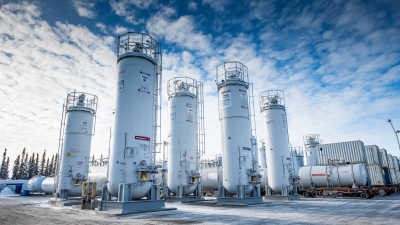
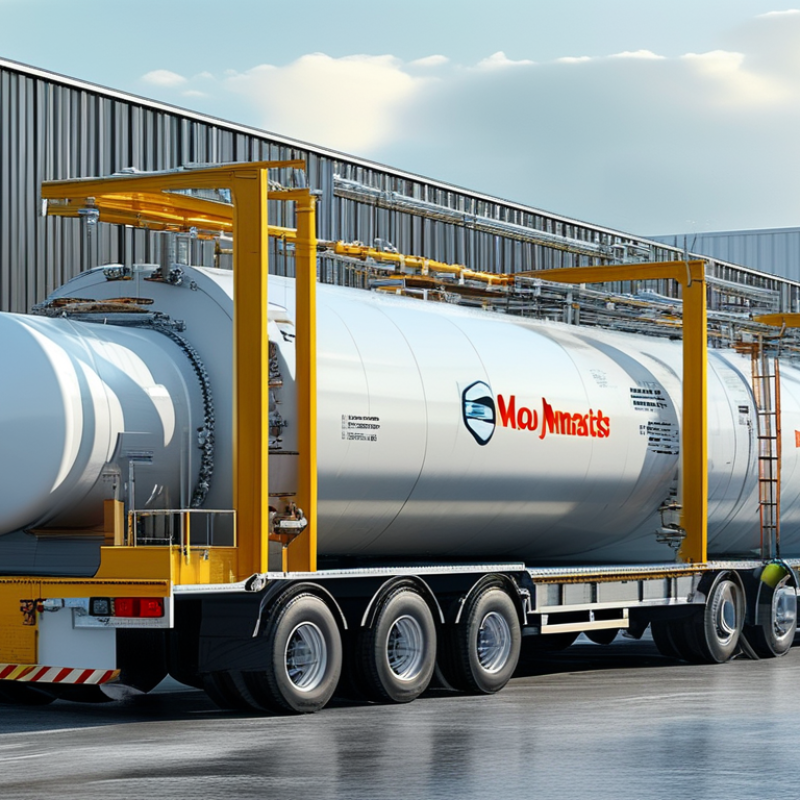
When selecting cryogenic gas storage solutions, understanding the types of tanks and vessels available is essential. Two primary types are the vertical and horizontal tanks. Vertical tanks are often more space-efficient, allowing higher storage capacities in a smaller footprint. Horizontally oriented tanks, on the other hand, can be easier to transport and install.
A 2022 report by Frost & Sullivan indicates that the global market for cryogenic storage solutions is expected to exceed $10 billion by 2027, driven by the aerospace and healthcare industries. Each tank type has distinct advantages. For instance, vertical tanks can better handle pressure, which is crucial for gases like LNG. Conversely, horizontal tanks might offer easier access for maintenance.
When evaluating options, consider not only capacity but also safety. Leak detection systems and insulation materials play a crucial role. The latest advancements in vacuum insulated technology have significantly improved safety metrics. Regular maintenance checks, guided by industry standards, can help extend the lifespan of cryogenic tanks.
Consider site-specific needs. Will the location endure extreme temperatures? Conducting a thorough site assessment is vital. Understanding the local climate can influence the choice between vertical and horizontal tanks. This decision impacts both safety and efficiency immensely.
Evaluating Safety Standards and Regulations for Cryogenic Storage
When evaluating safety standards and regulations for cryogenic gas storage, it’s crucial to consider the potential hazards involved. Cryogenic gases, such as liquid nitrogen and liquid oxygen, are stored at extremely low temperatures. Accidental release can result in severe risks, including fire or explosion. According to the American Cryogenic Materials Committee, proper training and adherence to safety protocols are essential in mitigating these risks.
Regulatory bodies have established guidelines for cryogenic storage. The National Fire Protection Association (NFPA) provides standards that specifically address cryogenic fluids. Compliance with these regulations is non-negotiable. Facilities must also implement robust inspection and maintenance routines. Statistics reveal that over 30% of cryogenic accidents occur from inadequate safety measures or equipment failure. Regular training can significantly reduce these incidents.
Facilities should also conduct risk assessments tailored to their specific operational needs. Not all cryogenic storage solutions are created equal. It's important to continuously evaluate and compare options based on reliability and safety performance. Many companies overlook the long-term benefits of investing in advanced safety systems. Relying solely on regulatory compliance may not be enough. A proactive approach to safety can enhance overall operational efficiency.
Cost Analysis: Budgeting for Cryogenic Storage Solutions
When budgeting for cryogenic storage solutions, cost analysis is crucial. Understanding the factors that contribute to overall expenses helps in making informed decisions. The initial investment can significantly vary depending on storage capacity and insulation technology. For example, a report from the International Cryogenics Society highlights that high-efficiency storage tanks can reduce long-term operating costs by up to 30%.
Operational costs also merit attention. Liquefied gas storage requires energy for cooling and maintaining temperature. According to a recent study, energy costs can account for 20% to 30% of total operational expenses. It's essential to factor in regular maintenance as well. Tanks may require inspections and repairs, which can lead to unforeseen costs that disrupt budgets.
Another aspect to consider is the geographical location of storage facilities. Transportation costs can vary based on distance from suppliers. As noted in the 2022 Cryogenic Technologies Report, logistics can contribute 15% to 25% of the total costs. Evaluating local suppliers and transportation options can yield significant savings in the long run. Balancing these various elements is key to identifying an effective budget for cryogenic gas storage solutions.
Cost Analysis of Cryogenic Gas Storage Solutions