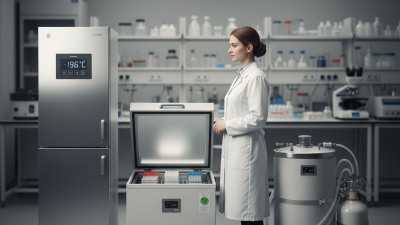
What is Big Capacity Hydrogen Liquefier and How Does It Work?
In the rapidly advancing field of hydrogen technology, the "Big Capacity Hydrogen Liquefier" stands out as a pivotal innovation. Dr. Emily Zhang, a leading expert in hydrogen systems, states, “This technology is a game-changer for sustainable energy.” Her insight reflects the growing importance of liquefying hydrogen for various applications, including clean fuel and energy storage.
Big capacity hydrogen liquefiers are designed to significantly enhance the efficiency of hydrogen storage and transport. With the ability to process large volumes of hydrogen, these systems ensure that energy remains accessible and stable. The liquefier works by cooling hydrogen gas to extremely low temperatures, transforming it into a liquid state. This transformation is crucial for maximizing energy density and minimizing transport costs.
However, challenges persist in the industry. Developing cost-effective liquefying technologies remains an ongoing struggle. Achieving the necessary low temperatures requires substantial energy inputs, undermining some of the environmental benefits. As the market evolves, addressing these issues is vital for broader adoption. Understanding the mechanics and implications of big capacity hydrogen liquefiers is essential for future energy strategies.
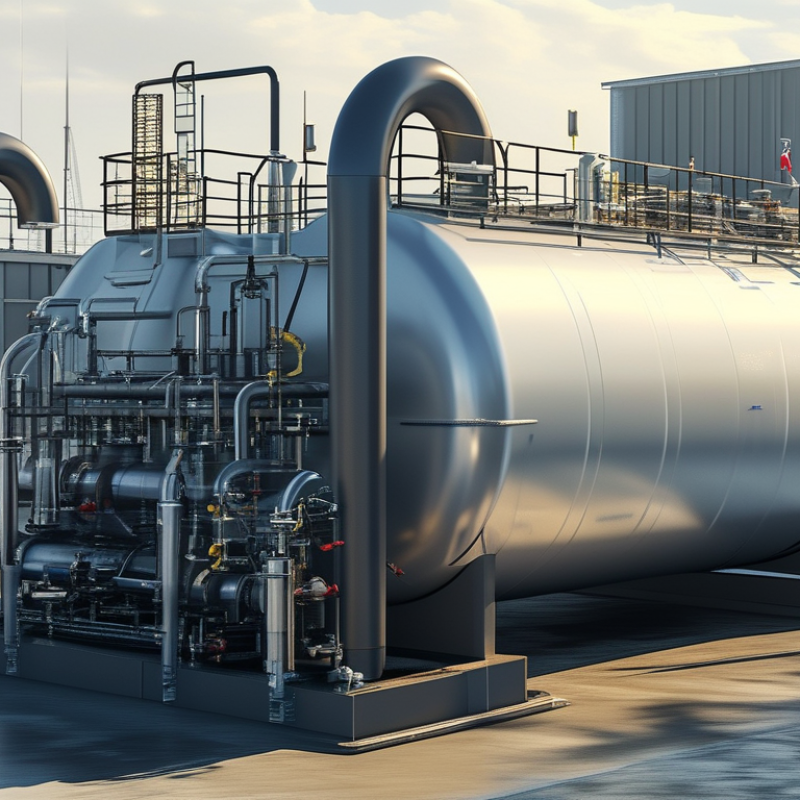
Understanding the Concept of Big Capacity Hydrogen Liquefier
Big Capacity Hydrogen Liquefier plays a crucial role in the growing hydrogen economy. This technology enables the efficient production and storage of hydrogen by cooling it to very low temperatures. Typically, hydrogen turns into a liquid at -253°C. The process of liquefaction involves compressing and cooling hydrogen gas using energy-intensive systems. According to the International Energy Agency, liquefied hydrogen can be transported more efficiently than gaseous hydrogen, reducing logistics costs significantly.
The rise of big capacity hydrogen liquefiers addresses the increasing demand for hydrogen. In 2020, global hydrogen consumption reached around 74 million tons, and this is projected to double by 2030. The large-scale liquefaction of hydrogen allows for better integration into existing transport and storage infrastructures. However, these systems require substantial capital investment and energy input, leading to questions about sustainability and economic viability.
Even with advancements, challenges remain. Current techniques may not fully exploit renewable energy sources, raising concerns about carbon footprints. Continuous research is vital for improving efficiency and reducing costs. Innovative designs and processes are being explored to address these issues. The industry is still in development, and addressing these inefficiencies is crucial for the sustainable growth of hydrogen technology.
What is Big Capacity Hydrogen Liquefier and How Does It Work?
| Dimension |
Value |
Description |
| Production Capacity |
1000 kg/day |
The amount of hydrogen that can be liquefied per day. |
| Operating Temperature |
-253 °C |
The temperature at which hydrogen is kept in liquid form. |
| Energy Consumption |
12 MWh/kg |
The energy required to liquefy one kilogram of hydrogen. |
| Cooling Method |
Cryogenic Cooling |
Technique used to achieve the low temperatures necessary for liquefaction. |
| Purity Level |
99.9999% |
The purity of the hydrogen produced after the liquefaction process. |
Key Components of a Hydrogen Liquefaction System
A hydrogen liquefaction system is crucial for efficient hydrogen storage and transportation. The key components include a gas compressor, heat exchangers, and a cryogenic tank. Gas compressors increase hydrogen pressure, allowing efficient cooling. The process requires energy, often accounting for over 30% of liquefaction costs, according to industry reports.
Heat exchangers are essential. They facilitate heat transfer between the hydrogen gas and the refrigeration cycle, enhancing efficiency. An efficient heat exchanger can reduce energy consumption significantly. Recent studies emphasize the importance of advanced materials for better thermal performance in these components.
Cryogenic tanks store the liquefied hydrogen at extremely low temperatures. Insulation is critical for minimizing boil-off. Proper management of these systems can lead to a hydrogen loss of less than 0.5% per day, which is an industry goal. However, many systems still struggle with efficiency. The need for continuous innovation remains clear as the demand for hydrogen increases.
The Process of Hydrogen Liquefaction Explained
Hydrogen liquefaction is a complex yet vital process in the hydrogen production industry. It involves cooling and compressing hydrogen gas until it transforms into a liquid state at extremely low temperatures. The process typically requires reaching temperatures below -253°C. This phase change greatly reduces the volume of hydrogen, making it easier to transport and store.
Achieving these low temperatures demands advanced technology and precise engineering. Cryogenic systems play a crucial role in liquefaction. They use a series of compressors and heat exchangers to progressively cool the hydrogen gas. Each component must work seamlessly to maintain efficiency. However, the energy required for this process can sometimes be a concern, raising questions about sustainability.
Operators must monitor numerous factors during hydrogen liquefaction. Minor fluctuations in temperature or pressure can affect the quality of the liquid hydrogen. Additionally, maintenance of liquefaction equipment is essential for reliability. Despite advancements, challenges remain in minimizing energy consumption and maximizing output. This ongoing journey of improvement within this field is vital for achieving a cleaner energy future.
Hydrogen Liquefaction Process Efficiency
This bar chart illustrates the efficiency of the hydrogen liquefaction process across different cooling stages. Each stage reflects the percentage of energy efficiency compared to the previous stage in the liquefaction process.
Applications and Benefits of Big Capacity Hydrogen Liquefiers
Big capacity hydrogen liquefiers are essential in modern hydrogen production and storage. They allow for large-scale liquefaction of hydrogen gas, which is crucial for various applications. In industries, these liquefiers support hydrogen’s use as a clean fuel. They can significantly reduce energy usage in transportation. Efficient storage and transportation of hydrogen can lower emissions drastically.
One notable benefit of these liquefiers is their potential in the energy sector. They help integrate renewable energy sources like wind and solar. During excess energy production, hydrogen can be generated and stored. This hydrogen can later be liquefied and transported for use when demand is high. This creates a more resilient energy system, though it requires consistent operational oversight.
Another application is in the hydrogen fuel cell market. Big capacity liquefiers supply hydrogen to fuel cell electric vehicles (FCEVs). They provide necessary infrastructure to support scaling up hydrogen vehicles. However, continuous improvements in efficiency and sustainability are needed. The industry often grapples with high operational costs and energy waste. Balancing innovation with cost-effectiveness remains a challenge.
Future Trends in Hydrogen Liquefaction Technology
As the world shifts towards clean energy,
hydrogen liquefaction technology gains prominence. Hydrogen, when liquefied, occupies significantly
less volume, making transportation and storage more efficient. This efficiency is driving advancements
in liquefaction methods. Various processes are being explored, including cryogenic techniques
and thermodynamic cycles, each requiring unique
system designs.
Recent research indicates that optimizing energy consumption is crucial for sustainable operations.
Developers are focused on reducing costs while improving capacity.
This balance is challenging, as many methods still rely on high energy inputs. A breakthrough in materials science
is necessary to enhance thermal performance and reduce energy loss.
The integration of renewable energy sources into liquefaction processes
is a growing trend. Using solar or wind power can minimize carbon footprints. However, adjusting
existing infrastructures to accommodate these solutions poses complex challenges. Addressing these
hurdles will require collaboration among engineers, researchers, and policymakers. The future
landscape of hydrogen liquefaction promises innovation, but practical considerations must remain
at the forefront.