5 Essential Tips for Cryogenic Helium Refrigeration Success?
Cryogenic Helium Refrigeration plays a pivotal role in various scientific and industrial applications. Effective refrigeration is crucial for the performance of numerous technologies, such as MRI machines and particle accelerators. Mastering this process requires a deep understanding of cryogenic principles and proper technical practices.
Achieving success in Cryogenic Helium Refrigeration involves several key factors. These include efficient system design, proper material selection, and diligent maintenance routines. Attention to detail is essential, as even small oversights can lead to significant performance issues or failures. Utilizing reliable equipment and adhering to best practices can help mitigate risks.
It’s important to learn from past experiences. Every system has its unique challenges. Reflecting on previous mistakes and successes can lead to valuable insights. Striving for continuous improvement in Cryogenic Helium Refrigeration is crucial for reaching optimal operational efficiency.
Understanding Cryogenic Helium Refrigeration and Its Applications
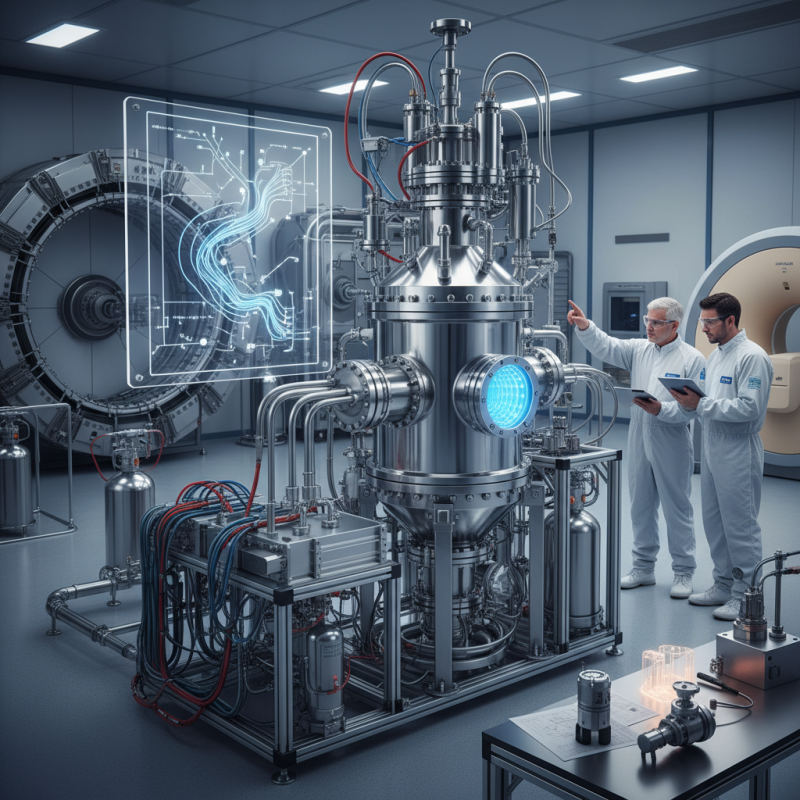
Cryogenic helium refrigeration is essential in various scientific and industrial applications. It effectively cools materials to ultra-low temperatures. This technology is crucial for superconducting systems, medical imaging devices, and particle accelerators. Understanding how these systems operate can help improve efficiency and performance.
The process involves cooling helium gas to a liquid state. This requires precise control over temperature and pressure. Small fluctuations can significantly impact performance. For instance, achieving stability in these systems can be challenging. Operators must monitor conditions closely to prevent issues like overheating or pressure builds.
Applications range from fundamental research to practical uses in healthcare. MRI machines benefit from helium refrigeration for clearer imaging results. In particle physics, researchers rely on this technology to investigate matter at the smallest scales. Yet, challenges persist. There are always new materials and systems to explore, requiring ongoing research. Each application may demand unique solutions to common problems, highlighting the need for expertise in this field.
Key Components of a Cryogenic Helium Refrigeration System
A cryogenic helium refrigeration system is complex but crucial for many industries. Key components of this system include compressors, heat exchangers, and expansion valves. Each plays a vital role in achieving low temperatures. Compressors are often noted for their efficiency. According to a recent industry report, efficient compressors can improve system performance by up to 25%.
Heat exchangers are essential for transferring heat effectively. Their design greatly influences overall refrigeration efficiency. Some may overlook the importance of proper insulation. Poorly insulated systems can lead to significant thermal losses. Data suggests that inadequate insulation can diminish system performance by nearly 15%.
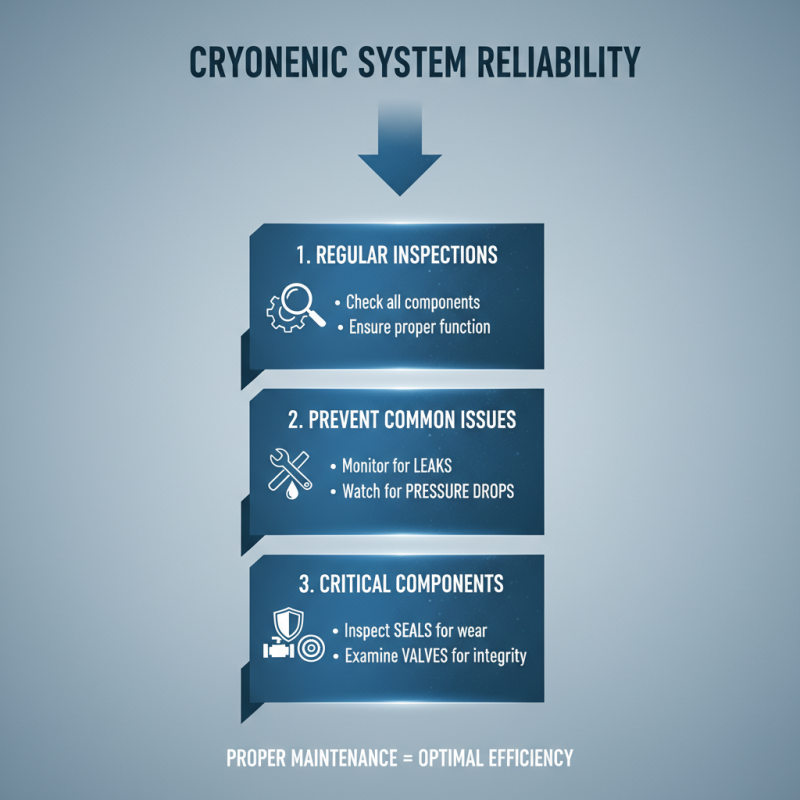
Expansion valves regulate helium flow, ensuring optimal cooling. System operators must routinely check these components. Regular maintenance can prevent unexpected failures. Learning from operational challenges helps improve system reliability. Failing to address minor issues can snowball into major expenses over time. In cryogenics, vigilance is key for success.
Essential Performance Metrics for Optimizing Helium Refrigeration
When optimizing helium refrigeration, understanding essential performance metrics is crucial. Key metrics include cooling capacity, energy efficiency, and temperature stability. These indicators directly affect the system's overall efficiency and effectiveness. Cooling capacity indicates how much heat can be removed, while energy efficiency presents the ratio of cooling output to energy input. A clear focus on these metrics can significantly enhance system performance.
Temperature stability is another vital aspect to monitor. Variability in temperature can lead to inefficiencies and loss of control. Regular testing can help identify fluctuations. Operators must address these variations and adjust system parameters accordingly. However, tracking these metrics requires consistent effort and may reveal uncomfortable truths about current processes.
Additionally, maintenance routines should be tailored to performance metrics. Neglecting minor issues can lead to larger problems over time. Ensuring that systems are properly calibrated and maintained can improve longevity and reliability. Reflection on existing practices is necessary for continuous improvement. Embracing this approach can make a significant difference in achieving refrigeration success in helium systems.
5 Essential Tips for Cryogenic Helium Refrigeration Success
| Tip |
Description |
Performance Metrics |
| 1. Optimize Flow Rate |
Maintain an optimal helium flow rate to ensure constant cooling performance. |
Flow Rate (L/min), Temperature Differential (°C) |
| 2. Monitor System Temperature |
Regularly track the system temperature to preemptively address thermal issues. |
System Temperature (°K), Deviation from Setpoint (°K) |
| 3. Regular Maintenance |
Perform routine checks on components to prevent downtime. |
Maintenance Frequency (weeks), Downtime (hours) |
| 4. Efficient Insulation |
Use high-quality insulation materials to minimize heat ingress. |
Insulation Efficiency (%), Heat Load (W) |
| 5. Leak Checks |
Conduct regular leak tests to maintain system integrity. |
Leak Rate (L/s), Helium Loss (kg) |