Top Cryogenic Hydrogen Solutions Tips for Clean Energy Success?
The transition to clean energy is critical for a sustainable future. One promising avenue is the development of Cryogenic Hydrogen Solutions. These solutions provide efficient hydrogen storage and transport, essential for energy applications. However, the technology faces challenges that must be addressed.
Cryogenic Hydrogen Solutions involve cooling hydrogen to extremely low temperatures. This method significantly reduces volume, making storage more manageable. However, the infrastructure needed is costly and complex. Companies must navigate various obstacles, including material limitations and safety concerns.
Innovations in this field can pave the way for greener energy. Yet, the industry must remain vigilant. Understanding both potential and risks is vital for success. Engaging in research and development will lead to advancements. Emphasizing safety and efficiency will build public trust and acceptance of these solutions.
Top Cryogenic Hydrogen Solutions for Clean Energy: Overview
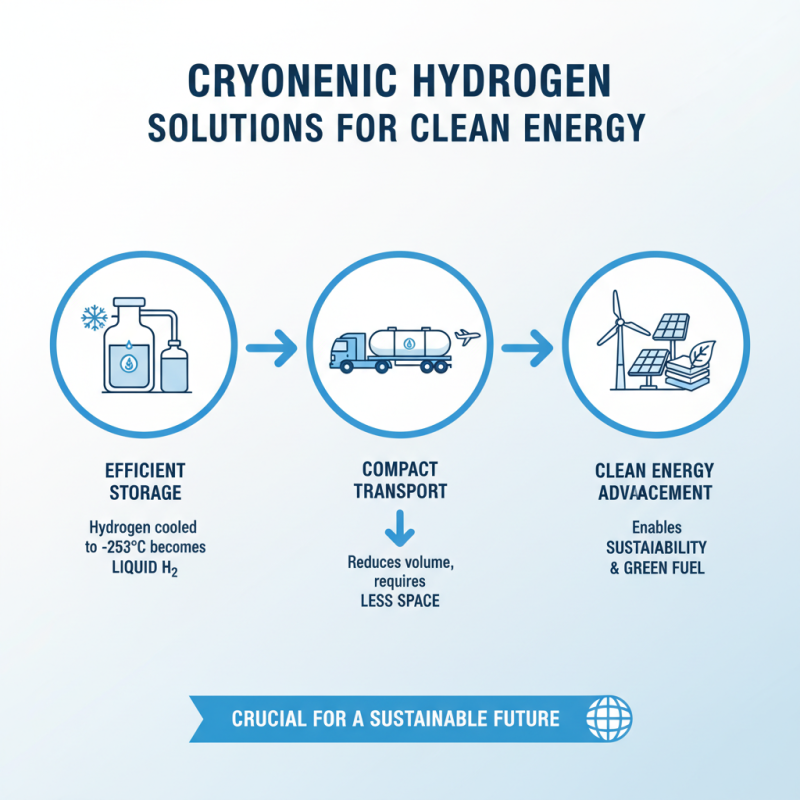
Cryogenic hydrogen solutions are crucial for advancing clean energy strategies. These technologies allow for the efficient storage and transport of hydrogen. Hydrogen, when cooled to cryogenic temperatures, becomes a liquid, reducing space requirements. This process holds immense promise for sustainability and cleaner energy sources.
When considering cryogenic hydrogen, several tips come to mind. First, proper insulation is key. Insulation minimizes energy loss and maintains low temperatures. Next, safety protocols must be prioritized. Handling cryogenic materials can be hazardous, and training is essential. Regular equipment checks can prevent leaks and accidents, which could have dire consequences.
The complexity of handling cryogenic systems can be daunting. Many facilities may struggle with implementation. Choosing the right technology may not always seem clear. Collaborating with experts in the field can provide valuable insights. Understanding the unique challenges of cryogenic systems is crucial for success in the journey toward clean energy.
Understanding Cryogenic Technology in Hydrogen Production
Cryogenic technology plays a pivotal role in hydrogen production. It involves cooling hydrogen to extremely low temperatures. This process helps to liquefy hydrogen, making it easier to store and transport. Liquid hydrogen is more energy-dense than gaseous forms. This means that more energy can fit into a smaller space, vital for efficient energy systems.
However, the process is not without challenges. Cooling hydrogen to cryogenic temperatures requires substantial energy. This can offset some benefits, reducing overall efficiency. Moreover, the technology must navigate complex equipment and infrastructure needs. The safety of handling cryogenic substances is another consideration. There are risks associated with low-temperature materials and the management of evaporation losses.
Sustainable hydrogen solutions hinge on improving these technologies. Investing in research is crucial. We need breakthroughs that can minimize energy consumption and enhance safety. Understanding the science behind cryogenic processes will inform better designs. Ultimately, this knowledge is key to successful clean energy futures.
Top Cryogenic Hydrogen Solutions Analysis for Clean Energy Success
Key Benefits of Cryogenic Hydrogen for Renewable Energy Systems
Cryogenic hydrogen presents significant advantages for renewable energy systems. The ability to store hydrogen at extremely low temperatures increases energy density. This density is crucial for large-scale storage and transport. According to the International Renewable Energy Agency, effective hydrogen storage can boost system reliability by up to 40%. Such benefits suggest a promising future for renewable energy integration.
Hydrogen in its cryogenic state allows for efficient energy transfer and minimal loss. It can serve as a storage medium for excess energy generated during peak periods. As noted in a recent energy report, industries focusing on sustainable solutions reported a 30% decrease in energy costs when utilizing cryogenic hydrogen. This transformation is vital for long-term sustainability.
Tips for success in implementing cryogenic hydrogen systems include investing in advanced insulation materials. They are essential for maintaining low temperatures with minimal energy input. Regular system audits can help identify inefficiencies. Another tip involves leveraging local renewable sources to power hydrogen production, enhancing energy security and reducing carbon footprints. Always remember, perfect solutions are elusive. Continuous refinement and innovation are necessary for the evolving energy landscape.
Industry Standards and Safety Protocols in Cryogenic Hydrogen Storage
Cryogenic hydrogen storage plays a crucial role in clean energy systems. Safety protocols and industry standards are vital for ensuring safe practices. Maintaining appropriate temperatures is essential. Any deviation can lead to safety hazards. Reliable equipment and trained personnel are necessary at every step.
Tips for handling cryogenic hydrogen include regular inspections. Check for leaks and damaged equipment. Proper training of workers is vital. They must understand the risks associated with cryogens. Emergency procedures should be clear and accessible. It's crucial to have regular drills to prepare for potential incidents.
Documentation is key. Keep records of equipment inspections and maintenance. This practice enhances accountability. It also aids in demonstrating compliance with industry standards. Adopting best practices is ongoing. Each project can reveal new insights. Staying informed about advancements in technology and safety can lead to improved outcomes.
Future Trends and Innovations in Cryogenic Hydrogen Applications
The future of cryogenic hydrogen applications is filled with potential and challenges. As the demand for clean energy rises, innovative solutions are emerging. Cryogenic hydrogen, stored at extremely low temperatures, can be a game-changer. It allows for efficient storage and transportation of hydrogen fuel. However, the technology is still evolving. Developing safe and efficient methods is crucial.
Current research focuses on better insulation and advanced materials. These innovations aim to improve storage systems. Companies are experimenting with new designs for cryogenic tanks. However, achieving optimum efficiency remains a challenge. Engineers need to consider thermal losses and potential leaks. Each design iteration brings new insights, yet pitfalls remain. Continuous testing and refinement are necessary.
Another aspect is the integration of cryogenic hydrogen into existing infrastructures. As industries adapt, scalability is essential. Pilot projects are being set up to test real-world applications. This experimentation often reveals unexpected obstacles. For instance, regulatory hurdles can slow progress. Despite these setbacks, collaboration across sectors is key. Innovations in this field will likely transform clean energy landscapes.
Top Cryogenic Hydrogen Solutions Tips for Clean Energy Success
| Aspect |
Details |
Trends |
Key Innovations |
| Storage Methods |
Cryogenic tanks and advanced insulation techniques. |
Increase in liquid hydrogen storage capacity. |
Composite overwrapped pressure vessels. |
| Transport |
Cryogenic pipelines and tankers. |
Expansion of hydrogen transport infrastructure. |
Transport with minimal boil-off technologies. |
| Production |
Electrolysis and steam methane reforming. |
Shift towards renewable-powered hydrogen production. |
Integration of solar and wind energy for electrolysis. |
| Usage |
Fuel cell vehicles and industrial applications. |
Growth in hydrogen fuel cell adoption. |
Advancements in fuel cell efficiency. |
| Safety |
Enhanced safety protocols for high-pressure systems. |
Regulatory developments improving safety standards. |
Real-time monitoring systems for leaks. |