Why Choose an Automatic Oxygen Machine for Your Needs?
Choosing an Automatic Oxygen Machine can significantly enhance your well-being. These machines deliver a reliable source of oxygen for those in need. They are especially beneficial for patients with respiratory issues or chronic illnesses.
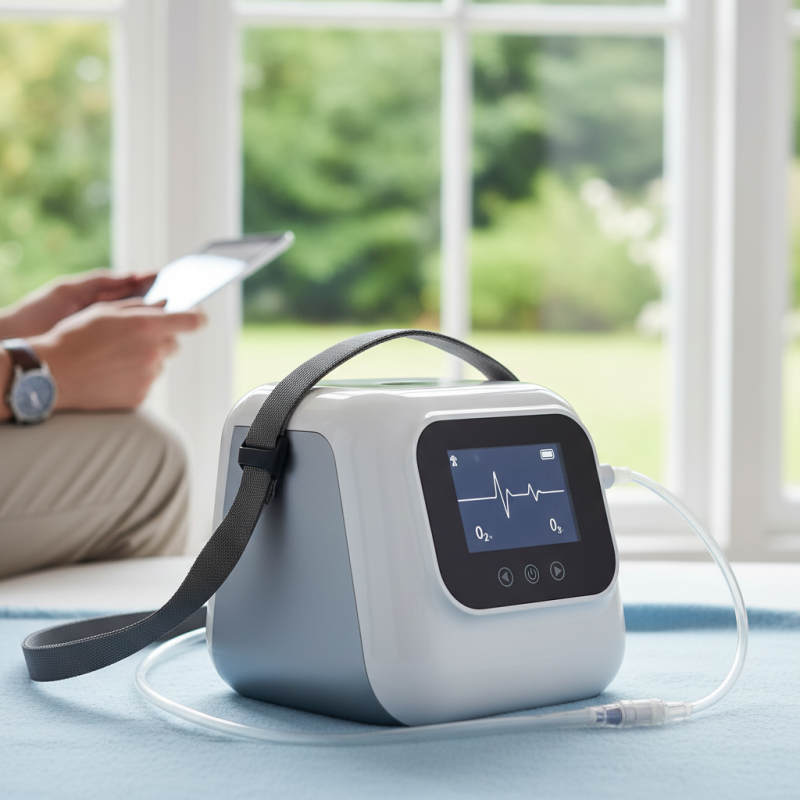
The design of an Automatic Oxygen Machine provides convenience and efficiency. Many models are portable, allowing users to carry them easily. They offer continuous oxygen supply, which is crucial for maintaining health.
Yet, there are factors to ponder. Each person's needs vary widely. Understanding the specifications and features of these machines is essential. It is advisable to consult healthcare professionals to determine the best option. This ensures you choose a model that truly fits your unique requirements.
Benefits of Using an Automatic Oxygen Machine for Home Care
An automatic oxygen machine can greatly enhance home care for patients needing additional oxygen. Research indicates that nearly 1.5 million Americans received home oxygen therapy in 2020. This device offers many benefits that improve quality of life. It provides consistent and regulated oxygen flow, which supports respiratory health. Patients feel more comfortable and independent while using these machines.
Tips for users include keeping the machine clean and regularly checking settings for accuracy. Users should also maintain a supply of necessary accessories, like tubes and masks. This proactive approach ensures optimal performance and comfort.
Moreover, automatic oxygen machines can reduce caregiver burden. This allows family members to spend quality time with loved ones instead of focusing solely on medical tasks. However, some individuals may experience difficulties in adjusting to the machine. Those considering this option should consult healthcare providers for personalized guidance and adjustments. Understanding these aspects can lead to a more effective use of these devices in daily life.
Comparison of Automatic vs. Manual Oxygen Machines in Patient Care
Automatic oxygen machines are becoming increasingly popular in patient care. These devices offer several distinct advantages over manual machines. One key benefit is their ability to provide steady oxygen flow without constant intervention from caregivers. This means patients receive consistent treatment, even when staff are occupied.
Manual oxygen machines can be reliable but do require more human oversight. Caregivers must frequently check the settings and adjust the flow manually. This creates room for errors, especially in high-pressure environments. With automatic machines, the risk of forgetting to adjust the oxygen levels is minimized. Patients can feel more secure knowing their oxygen needs are met continuously.
However, automatic machines are not without their challenges. They can malfunction, and not all models are equally reliable. Training is essential for caregivers to understand how these machines work. Additionally, a heavy reliance on technology may dampen the personal touch that manual care offers. Balancing efficiency and personal attention is crucial in patient care.
Industry Statistics on Oxygen Therapy Usage and Equipment Reliability
Oxygen therapy is becoming increasingly important for many patients with respiratory issues. According to a report by the Global Oxygen Therapy Market, nearly 2 million people in the U.S. alone rely on supplemental oxygen. As demand rises, so does the importance of dependable equipment. Research indicates that 85% of patients find automatic oxygen machines more reliable than manual systems. This reliability can lead to improved adherence and better health outcomes.
Industry data also show that about 70% of oxygen users report a significant increase in their quality of life when using automatic solutions. These machines adjust oxygen flow automatically, ensuring patients receive the correct dosage at all times. It eliminates the need for constant monitoring, which can be burdensome for both users and caregivers. However, not all devices are created equal; some may require frequent recalibration, affecting their reliability over time.
While automatic oxygen machines provide numerous benefits, they aren't without challenges. A report from the American Journal of Respiratory Care highlighted that 15% of patients experienced technical failures with their devices. This points to a need for ongoing training on usage and troubleshooting. It’s essential for users to understand their equipment to minimize disruptions in therapy.
Oxygen Therapy Equipment Usage
This bar chart illustrates the distribution of different types of oxygen therapy equipment usage. Portable oxygen concentrators dominate the market with 40% usage, while traditional oxygen tanks and liquid systems make up smaller shares, indicating a shift towards more modern, portable solutions in oxygen therapy.
Factors to Consider When Choosing an Automatic Oxygen Machine
When selecting an automatic oxygen machine, several factors warrant attention. The flow rate is critical. It dictates how much oxygen the machine can deliver. Choose one that meets your specific needs. Adjustable settings can enhance flexibility, especially if your requirements change over time.
Portability is another essential consideration. Many users seek machines that are lightweight and easy to transport. This aspect is vital if you travel frequently or wish to use the machine in different locations. Battery life is equally important. Ensure the device can last for extended periods without frequent recharging.
Tips: Always read user reviews. Feedback from others can provide insight into reliability and performance. Consider consulting a healthcare professional for recommendations tailored to your specific health conditions. Understanding your oxygen needs can prevent the mistake of choosing an inadequate device.
Patient Testimonials on the Effectiveness of Automatic Oxygen Machines
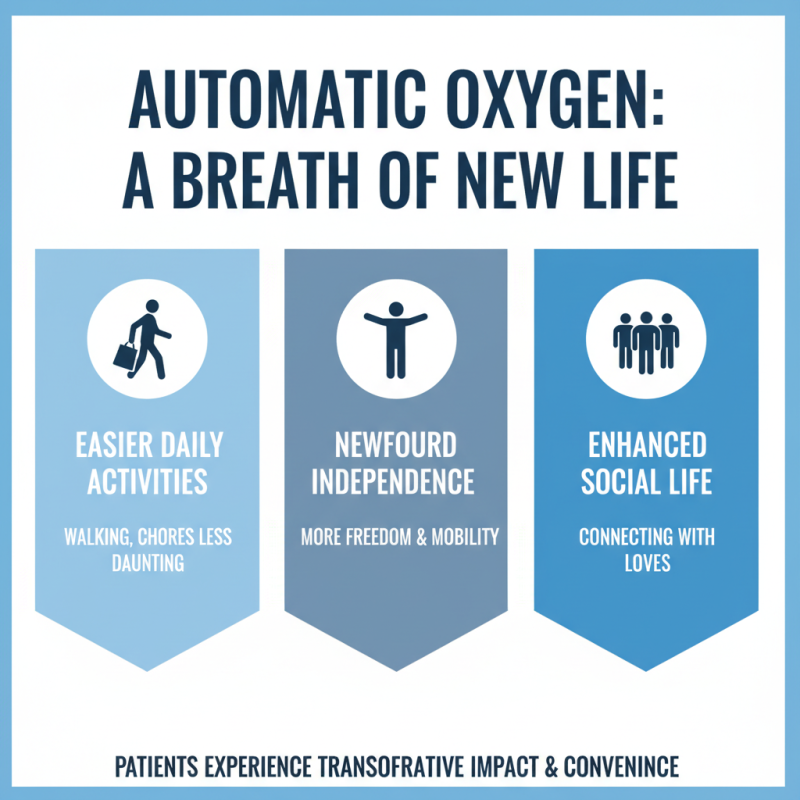
Many patients have shared their experiences with automatic oxygen machines, highlighting their transformative impact. One individual noted how, after starting oxygen therapy, their daily activities felt less daunting. Simple tasks like walking to the grocery store became manageable. Patients often express a newfound sense of independence. They appreciate the convenience these machines provide, enabling them to engage more with family and friends.
A few testimonials reflect the challenges faced before using an automatic oxygen machine. One user described feeling fatigued and breathless, especially during exercise. Switching to an automatic machine resulted in improved endurance. However, not every experience is perfect. Some report the machines can feel bulky and challenging to transport. Adjusting to the equipment takes time, and a support system is often essential for a successful transition. The positive outcomes generally outweigh these initial hurdles, creating a path to better health and well-being.