Cryogenic Air Separation Unit(Oxygen/Nitrogen/Argon)


01


≥99.8% O2 Air Separation Unit For Laser Cutting
Product Description
Laser cutting is a versatile and precise method of cutting a variety of materials, and it becomes even more powerful when combined with oxygen. The use of oxygen in laser cutting enhances the cutting process and increases efficiency and speed.
Oxygen is commonly used as an auxiliary gas in laser cutting. When the laser beam is combined with the flow of oxygen, a chemical reaction occurs that significantly increases the temperature of the material being cut. This reaction, called an exothermic reaction, allows for faster, cleaner cuts, especially on materials like steel and other metals.
One of the main advantages of using oxygen in laser cutting is its ability to cut thicker materials. The exothermic reaction created by the combination of a laser beam and oxygen can effectively cut materials that would otherwise be challenging to cut with a laser alone. This makes oxygen-assisted laser cutting ideal for industries that require precise cutting of thick metal sheets or plates.
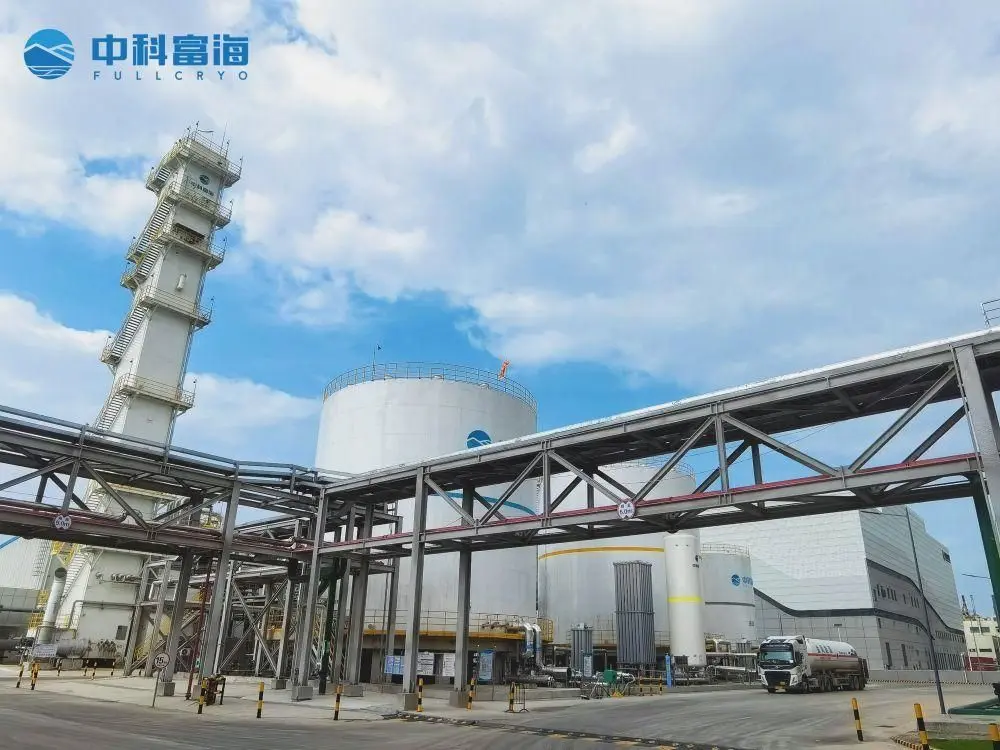
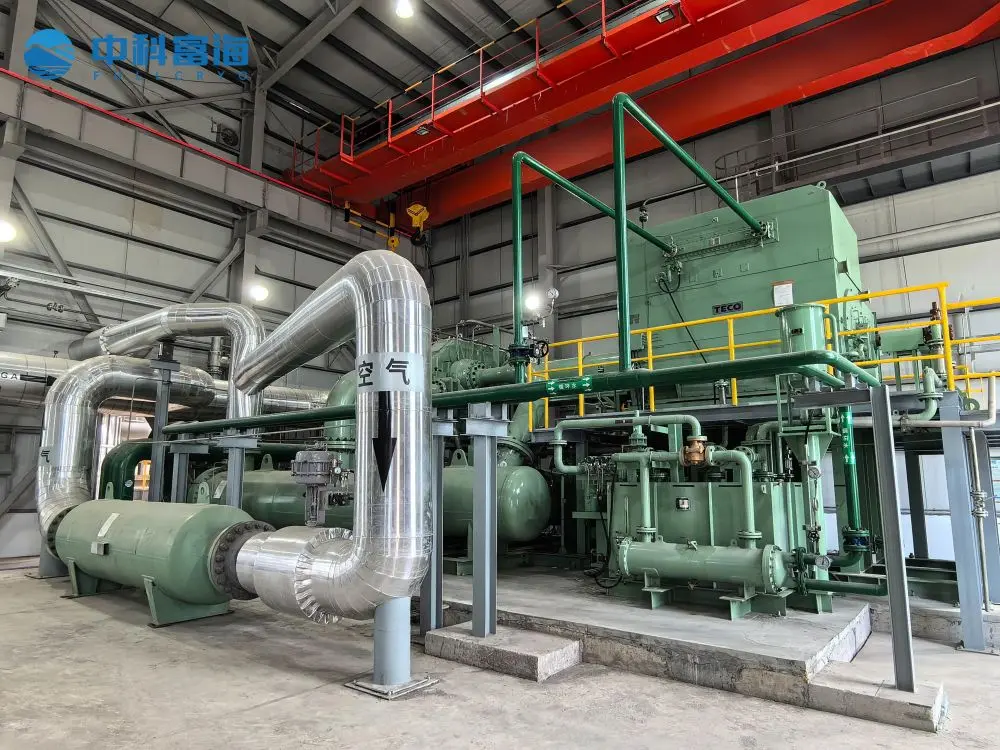
An air separation unit (ASU) designed to produce oxygen with a purity of ≥99.8% is crucial for applications such as laser cutting, where high-purity oxygen enhances cutting efficiency and quality.
Steps to Implementing an ASU for Laser Cutting:
1. Assessment:
Evaluate the specific oxygen requirements of your laser cutting operations, including purity levels, flow rates, and consumption patterns.
2. Design and Engineering:
Work with an experienced provider to design an ASU tailored to your needs, considering factors like plant size, capacity, and integration with existing systems.
3. Installation and Commissioning:
Install the ASU and integrate it with your laser cutting equipment. Conduct thorough testing and commissioning to ensure optimal performance.
4. Training:
Train personnel on the operation, maintenance, and safety protocols associated with the ASU.
5. Maintenance:
Implement a regular maintenance schedule to ensure the ASU operates efficiently and safely, with minimal downtime.
In summary, combining laser cutting with oxygen offers many advantages, including the ability to cut thicker materials, achieve a smoother edge finish, and increase productivity. As technology continues to advance, the use of oxygen-assisted laser cutting is likely to become more common across industries, providing a powerful and efficient method for precision cutting.
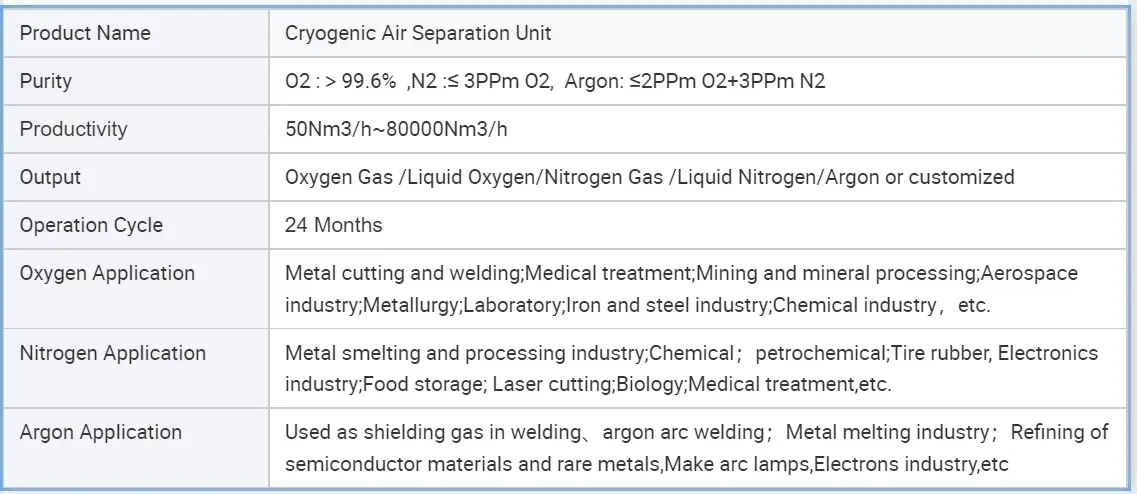
parameter
Factory Pictures