Top 10 Benefits of Boil-Off Gas Helium Extraction for Industries?
The extraction of helium from boil-off gas represents a significant advancement for various industries. Boil-Off Gas Helium Extraction is becoming essential as companies strive for efficient resource utilization. Industries such as aerospace, healthcare, and electronics rely heavily on helium for safety and performance.
Implementing this extraction method offers numerous advantages. First, it enhances the sustainability of helium sourcing. Companies can capture helium that would typically escape into the atmosphere. This practice not only reduces waste but also mitigates costs associated with helium procurement. Moreover, industries benefit from increased reliability in supply. As helium demand rises, accessing this gas through boil-off processes becomes crucial.
However, the process is not without its challenges. Businesses must invest in the technologies needed for efficient extraction. Some may question the initial costs versus long-term benefits. Nonetheless, the value gained through enhanced recovery and environmental responsibility cannot be overlooked. Boil-Off Gas Helium Extraction exemplifies a forward-thinking approach that aligns economic and environmental goals.

Benefits of Utilizing Boil-Off Gas in Helium Extraction Processes
The utilization of boil-off gas in helium extraction processes presents notable advantages for industries. Recent data indicates that about 20% of helium produced can be reclaimed from boil-off gas, which significantly reduces waste. Helium is a finite resource, and enhancing extraction methodologies is crucial for sustainability. Leveraging this gas not only maximizes yield but also minimizes operational costs, which can be substantial, sometimes reaching up to 15-25% of the total extraction cost.
Moreover, harnessing boil-off gas can improve energy efficiency. A report from the International Helium Association suggests that reduced energy consumption in cooling processes can lead to cost savings. Enhanced recovery methods can also decrease environmental impact. This is particularly important as industries face increasing scrutiny over their carbon footprints. However, it is essential to critically assess the technology’s integration cost. Over-reliance on boil-off gas extraction may lead to technical challenges and operational inefficiencies if not adequately managed.
Technological advancements continue to play a pivotal role in optimizing these processes. The balance between cost, efficiency, and environmental considerations must be carefully navigated. Industries must remain vigilant about potential pitfalls, including fluctuation in helium prices and the long-term viability of extraction methods. The benefits are clear, but the implementation strategy requires thorough evaluation.
Enhanced Energy Efficiency through Helium Recovery from Boil-Off Gas
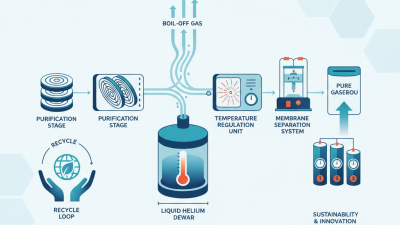
Boil-off gas helium extraction is becoming increasingly vital for industries focused on maximizing energy efficiency. When helium is used in cryogenic processes, it tends to evaporate, creating boil-off gas. This gas, often wasted, can instead be captured and repurposed. By recovering helium from this boil-off gas, companies can significantly reduce their operational costs while simultaneously ensuring a more sustainable practice.
Implementing helium recovery systems has direct benefits. The reduction in waste enhances energy efficiency, leading to lower greenhouse gas emissions. Industries can use recovered helium for cooling in various applications, minimizing the need for additional helium procurement. This not only conserves resources but also optimizes existing energy use. However, some companies still face challenges in integrating these systems. Proper training and technology investments are essential for effective implementation.
The allure of enhanced energy efficiency through helium recovery raises questions about investment viability. As industries explore this technology, it’s important to evaluate costs against potential savings. Not all facilities may find a return on investment immediately. Continuous research into best practices will be crucial in overcoming these hurdles and making the most of helium resources.
Top 10 Benefits of Boil-Off Gas Helium Extraction for Industries
Cost Reduction Strategies for Industries Using Boil-Off Gas Helium
Industries are increasingly leveraging boil-off gas helium extraction to minimize costs. This method transforms helium vented during the liquefaction process into a valuable resource. Reports indicate that helium prices can exceed $1000 per cubic meter, highlighting the savings potential. By capturing this gas, businesses can lower their operational expenses significantly.
When considering boil-off gas, institutions should evaluate their helium usage rates. For instance, companies in the aerospace sector can recover up to 30% of helium through proper extraction methods. This strategy not only provides cost savings but also improves operational efficiency. Utilizing boil-off gas can lead to reduced reliance on external helium suppliers, which translates to more predictable budgeting.
Some challenges can arise when implementing this technology. Not all systems are optimized for extraction, leading to potential inefficiencies. Industries must assess their current infrastructure for compatibility. Maintenance and regular audits are crucial to ensure systems are running efficiently. Investing in training for employees can also enhance the effectiveness of gas recovery systems. This approach increases returns on investment and drives overall success.
Environmental Impact: Reducing Methane Emissions with Helium Recovery
Helium recovery from boil-off gas is becoming critical for industries looking to lower their environmental footprint. By capturing helium efficiently, facilities can significantly reduce methane emissions. Methane is a potent greenhouse gas that contributes to climate change. In many plants, boil-off gases release both helium and methane into the atmosphere. Recovering helium means less methane escapes, which is a substantial gain for our planet.
Industries often overlook the environmental benefits of helium recovery. Effective extraction technologies exist, but implementation can be challenging. Many facilities struggle to adopt these solutions due to upfront costs and technology barriers. Despite this, the long-term benefits are clear; reduction of methane leads to a healthier environment. Investing in helium recovery is not only an ethical choice but also a step towards sustainability.
Some critics argue that focusing solely on helium recovery might distract from more comprehensive environmental strategies. Relying too much on one solution can create blind spots. However, every bit of gas recovered contributes to cleaner air. Therefore, it’s vital for industries to reflect on their practices and embrace technologies that prioritize both helium extraction and methane reduction.
Top 10 Benefits of Boil-Off Gas Helium Extraction for Industries
| Benefit |
Description |
Impact on Methane Emissions |
Industry Applications |
| Cost Savings |
Reduction in operational costs through high-efficiency extraction processes. |
Decreased reliance on costly methane. |
Manufacturing, Energy |
| Environmental Compliance |
Easier adherence to environmental regulations by reducing harmful emissions. |
Direct reduction in greenhouse gas emissions. |
Oil & Gas, Chemical Production |
| Resource Optimization |
Maximizes the use of available helium resources. |
Minimizes methane flaring. |
Aerospace, Electronics |
| Energy Efficiency |
Enhanced energy efficiency in helium production processes. |
Reduces carbon footprint from energy consumption. |
Refrigeration, Healthcare |
| Innovation Promotion |
Encourages technological advancements in gas recovery methods. |
Less methane waste during recovery processes. |
Research, Development |
| Job Creation |
Promotes job growth in helium production and environmental sectors. |
Greater public awareness of methane issues. |
Economic Development |
| Public Image Improvement |
Enhances corporate social responsibility profiles. |
Promotes environmental stewardship. |
Marketing, Public Relations |
| Sustainable Practices |
Facilitates the shift towards more sustainable industrial practices. |
Reduced overall industrial emissions. |
Multiple Industries |
| Gas Purity Improvement |
Increases the purity levels of extracted helium. |
Lowers the need for additional methane processing. |
Medical, Scientific Research |
| Long-term Viability |
Ensures the sustainable supply of helium for future use. |
Reduces long-term methane release risks. |
Energy, Technology |
Improvement of Operational Safety in Helium Handling with Boil-Off Gas
Boil-off gas helium extraction offers significant improvements in operational safety for industries that handle helium. This method minimizes the risks associated with the traditional storage and transfer of helium. By capturing helium that would otherwise escape during boiling, facilities can significantly reduce the presence of hazardous gas in the environment.
Handling helium requires strict safety protocols due to its asphyxiation risks. Collecting boil-off gas helps to ensure that helium concentrations in the atmosphere remain safe for workers. Enhanced ventilation systems can be implemented, further improving air quality. A well-structured safety management plan is vital, especially since even small leaks can pose serious risks over time.
There is also room for improvement in training and operational practices. Staff must be educated on potential hazards and effective response measures. Regular safety drills can reinforce protocols and improve readiness. It’s crucial to continuously evaluate safety procedures to identify areas for refinement while maintaining operational efficiency. This ongoing commitment to safety not only protects workers but also enhances the overall reliability of helium supply chains.