How to Choose the Best Cryogenic Semi Trailer for Your Needs?
Choosing the right Cryogenic Semi Trailer is crucial for efficient operations. These trailers play a vital role in transporting liquefied gases. According to industry reports, the demand for cryogenic transport solutions is projected to grow significantly in the coming years. A recent analysis indicates a market expected to reach USD 2 billion by 2027. This highlights the urgency for companies to select the best equipment for their specific needs.
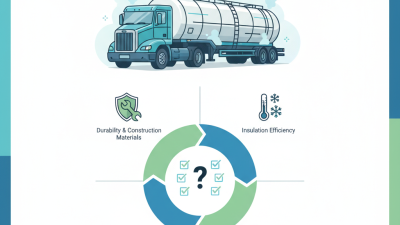
The right Cryogenic Semi Trailer should not only meet safety standards but also optimize operational efficiency. Factors to consider include insulation performance, tank capacity, and maneuverability. Industry experts recommend evaluating the thermal efficiency and build quality while considering long-term costs. Testimonials from users emphasize the importance of durability and responsiveness to operational demands.
Understanding these complexities can be challenging. Inadequate choices may lead to operational delays and increased expenses. Investing in the right Cryogenic Semi Trailer is not just about price. It involves analyzing operational needs and future scalability. Companies must prioritize dependable equipment to stay competitive in the evolving cryogenic transport market.

Factors Influencing the Selection of Cryogenic Semi Trailers
Choosing a cryogenic semi-trailer involves several critical factors. Understanding the intended application is vital. Different industries have unique requirements for temperature control and storage capabilities. For instance, if transporting liquid gases, the insulation quality and tank design are paramount. In contrast, other applications may prioritize volume over temperature management. Assessing specific needs lays a strong foundation for the selection process.
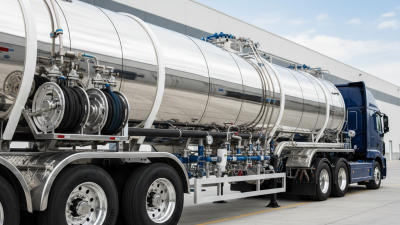
The material and build of the semi-trailer matter significantly. Stainless steel or aluminum are common choices for durability and thermal efficiency. The trailer's weight affects payload capacity, impacting overall logistics. Pay attention to the specifications, like insulation thickness. This can vary widely across products. Engaging with a knowledgeable supplier can provide valuable insights into the best options for unique needs.
Safety features are another key aspect. Ensure that the trailer has appropriate safety mechanisms, including pressure relief valves and secure loading systems. Reflecting on previous transport experiences can highlight potential pitfalls, such as inadequate safety measures. This reflection can guide future decisions to avoid costly mistakes. Building a reliable supply chain relies on choosing the right trailer, making informed choices essential.
How to Choose the Best Cryogenic Semi Trailer for Your Needs?
| Factors |
Description |
| Capacity |
Consider the volume of cryogenic liquid you need to transport, as semi trailers come in various sizes. |
| Insulation Type |
Different insulation materials affect heat transfer rates and, consequently, the efficiency of temperature maintenance. |
| Weight |
Ensure the trailer's weight is manageable for your towing vehicle and complies with local regulations. |
| Safety Features |
Look for features that enhance safety during transport, such as pressure relief valves and leak detection systems. |
| Durability |
The trailer should withstand harsh weather conditions and rough road surfaces. |
| Maintenance Requirements |
Consider how easy it is to perform routine maintenance and repairs on the trailer. |
| Cost |
Assess your budget and evaluate the total cost of ownership, including fuel, maintenance, and insurance. |
| Regulatory Compliance |
Ensure that the trailer meets all local and international transport regulations for cryogenic materials. |
Understanding Different Cryogenic Liquids and Their Requirements
When considering cryogenic liquids, understanding their specific requirements is essential for choosing the right semi-trailer. Liquid nitrogen, for instance, typically requires transport at -196°C. It’s crucial to ensure that the trailer’s insulation and tank materials can withstand such extreme temperatures. Failure to properly manage these factors can lead to vaporization, which can affect safety and efficiency.
Hydrogen, on the other hand, has different properties. It is stored at -253°C and presents unique challenges, including high flammability and low density. A trailer designed for hydrogen needs a lighter construction to enhance fuel efficiency and properly mitigate risks associated with leaks. Specialized piping and valves are also crucial to maintain safety. Data from the International Cryogenic Council indicates that mishaps in cryogenic transport can decrease by up to 30% with the right equipment.
Ultimately, selecting the best cryogenic semi-trailer requires deep knowledge of the specific liquids being transported. Not all trailers are created equal. There may be hidden issues, such as maintenance costs and compatibility with various cryogenic materials. Assessing these factors is vital for long-term operational success.
Key Specifications to Consider: Temperature Control and Insulation
When selecting a cryogenic semi trailer, two critical specifications stand out: temperature control and insulation. Effective temperature control is vital for maintaining the integrity of the cargo during transport. Reports from industry studies indicate that inconsistencies in temperature can lead to product spoilage. An efficient temperature management system should ensure stable conditions throughout the journey.
Insulation plays a significant role in achieving optimal temperature control. Quality materials can reduce heat transfer and minimize evaporation of cryogenic liquids. Research shows that poorly insulated trailers can lose up to 15% of their contents in just a few hours. Therefore, selecting a design that features advanced insulation technology is essential for long-distance hauls.
Investigating the pressure ratings and construction materials is also crucial. Many trailers now utilize improved composite materials that provide better performance. However, not all manufacturers meet rigorous industry standards. It's worth noting that a lower-cost option might not deliver the expected performance. An informed choice incorporates both technical specifications and reviews from other users in the field.
Regulatory Compliance: Safety Standards for Cryogenic Transport
When selecting a cryogenic semi-trailer, regulatory compliance is crucial. Transporting liquefied gases such as LNG or oxygen involves strict adherence to safety standards. In the U.S., the Department of Transportation (DOT) and the Environmental Protection Agency (EPA) provide guidelines for cryogenic transport. According to a recent report by the Cryogenic Society of America, adherence to these regulations not only ensures safety but also improves operational efficiency.
One key aspect is the material used in trailer construction. High-quality insulation is essential for maintaining cryogenic temperatures. Cryogenic trailers often use stainless steel, which withstands low temperatures better than other materials. It's vital to choose trailers that comply with the latest ASTM (American Society for Testing and Materials) standards. Non-compliance can lead to costly penalties and unsafe situations.
Tips: Always check the certification of a trailer before purchase. Ensure that it meets all DOT and EPA regulations. Consider regular maintenance checks for safety compliance. Without proper maintenance, even compliant trailers can fail at crucial moments, leading to serious incidents. Make informed decisions and stay updated on regulatory changes to ensure lasting safety and efficiency in cryogenic transport.
Evaluating Manufacturer Reputation and After-Sales Support
When selecting a cryogenic semi-trailer,
manufacturer reputation is crucial. Research the company's history and their
years in the industry. A solid track record often indicates reliability and
expertise. Look for online reviews, testimonials, and case studies. These
resources can provide insights from other customers. Engaging with existing
users can reveal strengths and weaknesses that marketing materials often
overlook.
After-sales support
is equally important. A manufacturer should offer ample assistance once the
sale is complete. Consider their service response times and availability of
spare parts. Quick support can minimize downtime and enhance operational
efficiency. Ask potential manufacturers about their warranties and
maintenance programs. A transparent approach to after-sales care reflects a
company's commitment to its customers. Remember, not all manufacturers
meet these expectations. Take the time to evaluate them thoroughly.